
This content is provided for educational purposes only and is not medical advice. We strive to keep information accurate and up to date at the time of writing, referencing reputable sources where appropriate. Always seek advice from a qualified healthcare professional about your individual circumstances.
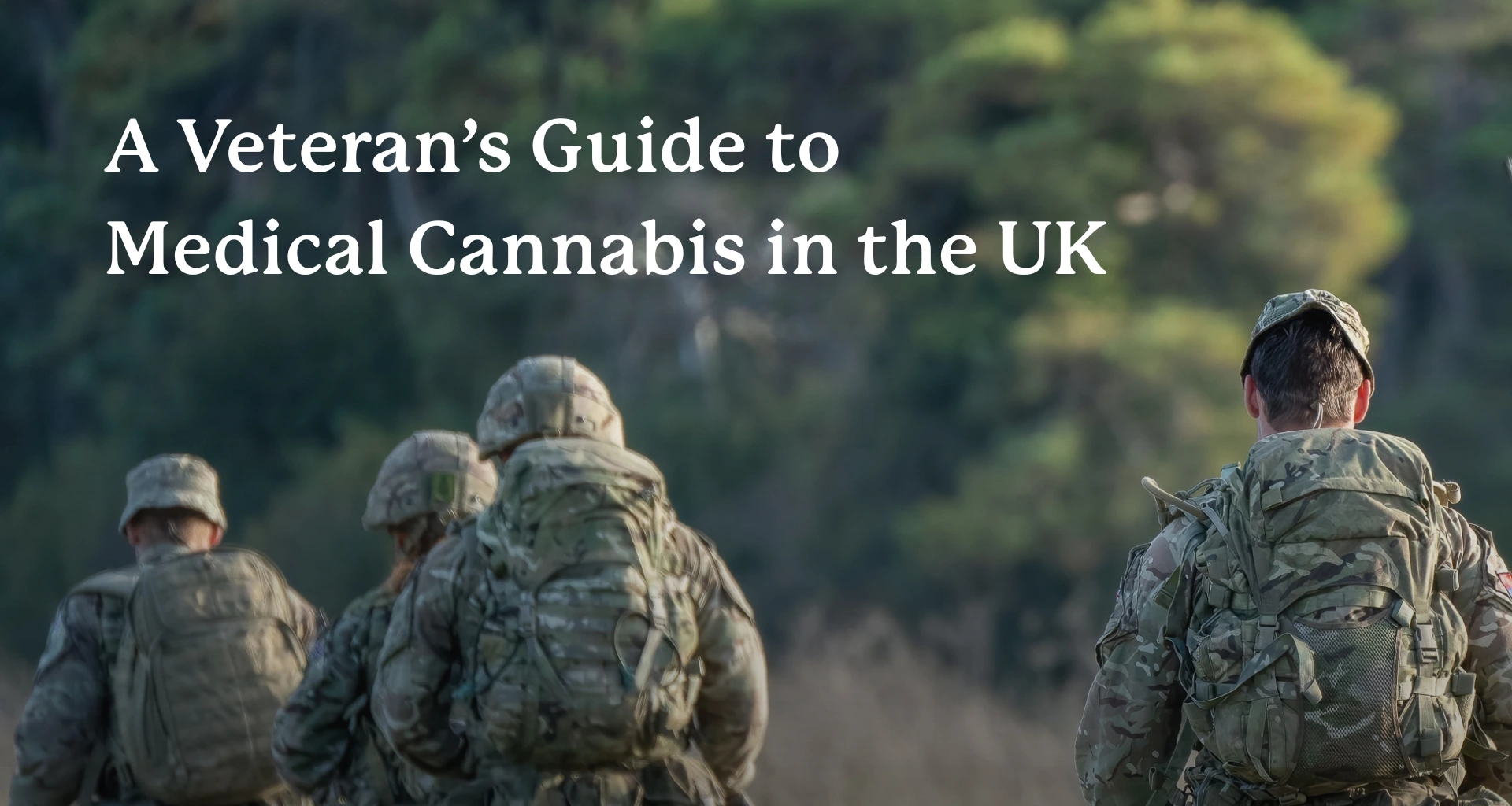
Looking into medical cannabis can raise a lot of questions – especially for veterans. This guide is here to make the process feel clearer and calmer. We’ll walk through what to expect, the questions worth asking, and what’s included in the Lyphe for Veterans access scheme.
Medical cannabis isn’t right for everyone, and treatment is never guaranteed. The aim of this article is to help you as a veteran feel informed, reassured, and able to decide what’s right for you.
Why some veterans explore medical cannabis
Military service and transition can shape health in complex ways.
Service can involve trauma exposure, long separation, and high-demand environments. Transition can also change routine, identity, and support networks. For many veterans, even considering support can feel like a big step – especially when the topic carries stigma.
At Lyphe Clinic, our care is informed by this reality – and some veterans start looking into medical cannabis when other treatments haven’t helped enough, or when side effects have become difficult to live with.
Across Great Britain, an estimated 2 million people have previously served in the UK armed forces. Recent data highlights the scale of health needs within the veteran community. The figures below include a mix of UK veterans and UK armed forces research, to reflect both veteran needs and service-related risk factors.
| Health Insight | Prevalence & context |
| Disability | Almost half of UK veterans (48.7%) self-report a disability under the Equality Act definition. |
| Insomnia & Sleep | Around 70% of treatment-seeking veterans report symptoms consistent with probable insomnia disorder. |
| Mental Health | Probable PTSD is higher among ex-serving personnel than those currently serving. |
| Alcohol reliance | In a large UK study, 13% of military personnel reported alcohol misuse, rising to 45% among those with probable PTSD. |
Alcohol can feel like a short-term coping tool, but heavy or long-term use carries well-understood health risks. If alcohol has become part of managing sleep, anxiety or pain, it’s worth mentioning this during your assessment so your clinician can factor it into a safe plan and signpost support if needed.
A wider view: looking globally
As UK research on medical cannabis use in veteran populations is still developing, it can help to look at patient-reported findings internationally.
In a 2023 study of Canadian veterans and non-veterans, veterans reported using medical cannabis most commonly for insomnia, anxiety, and depression. Many also reported living with chronic pain and arthritis. Veterans in the study were also more likely to report PTSD than non-veterans. When asked how effective medical cannabis felt, veterans rated perceived effectiveness highest for PTSD (8.4/10), insomnia (8.2/10), anxiety (8.1/10), depression (8.0/10), and chronic pain (7.6/10).
In a separate 2023 US survey of 510 military veterans using medical cannabis, 91% reported improved quality of life and 21% reported using fewer opioids.
As with all self-reported surveys, the results can’t predict individual outcomes or prove effectiveness. However, they do offer useful insight into why some veterans explore medical cannabis when previous treatments haven’t helped.
Medical cannabis for veterans: who may be eligible in the UK
In the UK, medical cannabis is only considered following a specialist assessment, where other treatments haven’t provided adequate relief. Suitability depends on your symptoms and treatment history.
A responsible clinician will set realistic expectations by explaining what individualised care looks like in practice. A safe pathway includes clinical assessment, clear expectations, follow-up, and monitoring.
Veterans often ask about conditions and symptoms such as:
- Chronic pain (including arthritis-related pain)
- Anxiety and depression
- Sleep problems (including insomnia)
- PTSD and trauma-related symptoms
- Headaches or migraines
- Muscle spasm and tension
This reflects common symptom areas discussed in veteran populations globally, but eligibility in the UK is always based on specialist clinical assessment, individual medical history, and treatment response.
Learn more about the conditions we support → https://lyphe.com/conditions
Lyphe for Veterans
The Lyphe for Veterans scheme removes clinic fees for eligible veterans, helping reduce barriers and offering a clear and supportive process from the first step. Here’s how it works:
Step 1: Enquire via the form
Share a few details via a secure form and we’ll get in touch to guide you through onboarding.
Step 2: Onboarding and medical records
We’ll request your relevant medical history (including your Summary of Care Record) and proof of service to confirm access to the Lyphe for Veterans scheme.
Step 3: Clinical assessment
A confidential video consultation with a specialist clinician, covering your symptoms, previous treatments, current medicines, goals and any relevant risks.
Step 4: Prescribing decision
Your clinician will decide if medical cannabis is safe and appropriate for you. If not, they will explain why and discuss options.
Step 5: Medication (if approved)
If a prescription is considered appropriate, medication is dispensed by a registered pharmacy in line with clinical standards and delivered securely.
Step 6: Follow-ups
This is where potential benefits and side effects are discussed and your treatment plan is adjusted if needed.
Veteran-aware care
At Lyphe Clinic, veterans are an important part of our team. Kelly and Gemma, two of our senior clinicians, bring over 40 years of combined military service, with first-hand insight into the realities of service life, transition and the stigma some veterans face around medical cannabis.
- Kelly served as a Nursing Officer in the Queen Alexandra’s Royal Army Nursing Corps, retiring at the rank of Major.
- Gemma served as a Royal Air Force Nurse, retiring as a Warrant Officer.
Their lived experience helps us keep our process clear, respectful, and supportive – with straightforward language, practical guidance, and a focus on dignity and discretion.
In this video interview, Kelly shares her perspective on the challenges veterans can face and what compliant clinical care looks like in practice.
Frequently asked questions
Is medical cannabis legal in the UK?
Yes, cannabis-based products for medicinal use have been legal to prescribe in the UK since November 2018. It must be prescribed by a specialist clinician and issued through a regulated clinical pathway.
Is medical cannabis right for everyone?
No, it depends on your medical history, previous treatments and individual suitability.
What if I’ve never used cannabis before?
That’s common. If treatment is considered appropriate, your clinician will explain how prescriptions work and what to expect.
How will I feel?
Clinicians aim for symptom relief with a plan tailored to you. Side effects and tolerability vary. Discuss any concerns during your consultation.
What will my veteran status be used for?
Only to confirm access to the Lyphe for Veterans scheme.
What is Lyphe for Veterans?
The Lyphe for Veterans scheme covers all clinic fees to remove barriers for veterans (medication costs are separate). Fill out the form and we’ll get in touch to guide you through the next steps.

Related Insights
Whilst you’re here you might also like to read…